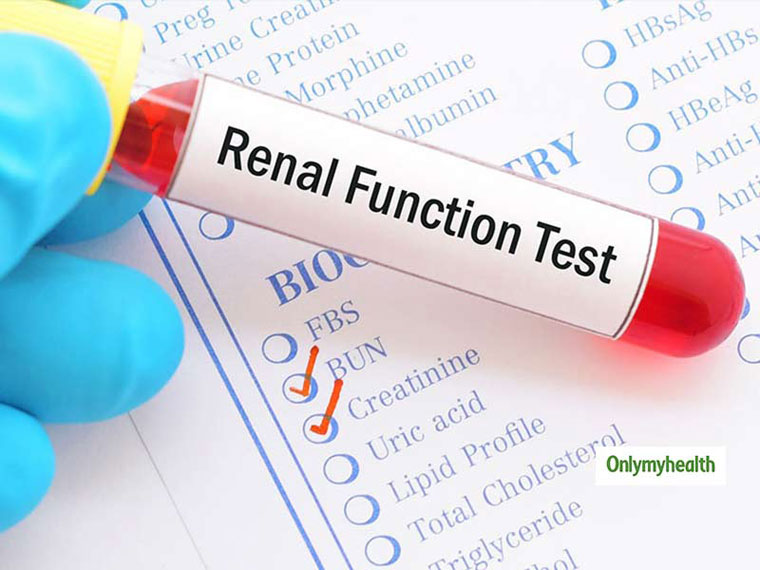
RFT (RENAL FUNCTION TEST)
The Renal Function Test (RFT) is a blood test that evaluates how well your kidneys are working. The kidneys play a vital role in filtering waste products, balancing fluids, electrolytes, and maintaining overall body health. RFT helps detect kidney problems early and monitor ongoing kidney conditions.
What does the RFT include?
An RFT typically measures:
Serum Creatinine – Indicates kidney’s filtering efficiency
Blood Urea Nitrogen (BUN / Urea) – Shows how well the kidneys remove nitrogenous waste
Uric Acid – Checks for kidney stress or risk of gout
Electrolytes (Sodium, Potassium, Chloride, Bicarbonate) – Monitors balance of essential minerals
Estimated Glomerular Filtration Rate (eGFR) – Measures overall kidney function
Why is this test done?
To detect kidney disease or dysfunction
To monitor kidney health in diabetes, hypertension, or other chronic conditions
To assess the effect of medications on the kidneys
As part of routine health checkups or pre-surgical evaluations
Sample Requirements
Sample Type: Blood
Fasting: Usually not required (unless your doctor advises)
Turnaround Time
Results are generally available within 24 hours
Available Today
Preparation – Renal Function Test (RFT) Fasting is generally not required, unless specifically advised by your doctor Drink plenty of water before the test to stay hydrated Avoid excessive high-protein meals on the day of the test, as they may slightly affect urea levels Inform your doctor or lab about any medications, supplements, or herbal remedies you are taking Continue your regular diet and medications unless instructed otherwise
1. What is a Renal Function Test (RFT)? A Renal Function Test is a blood test that evaluates how well your kidneys are working. It measures waste products, electrolytes, and filtration efficiency to detect kidney problems early. 2. Why is an RFT done? To check kidney health and function Diagnose kidney diseases such as chronic kidney disease (CKD) or acute kidney injury Monitor kidney function in diabetes, high blood pressure, or urinary disorders Assess the impact of medications on the kidneys Part of routine health checkups or pre-surgical evaluation 3. How do I prepare for an RFT? Fasting is usually not required Drink plenty of water before the test Avoid excessive protein intake before testing Inform the lab or your doctor about any medications, supplements, or herbal products 4. How is the test performed? A small blood sample is collected from a vein in your arm. The procedure is quick, safe, and usually takes less than 5 minutes. 5. Are there any risks? The test is safe and non-invasive. Minor discomfort or bruising at the needle site may occur, but serious complications are very rare. 6. How long does it take to get results? Results are usually available within 24 hours, depending on the lab. Many labs also offer online or digital report delivery. 7. What do the results mean? Normal values indicate healthy kidney function High creatinine or urea may suggest kidney dysfunction Abnormal electrolytes may indicate kidney or metabolic issues Low eGFR indicates reduced kidney filtration and may require further evaluation Always consult your doctor for interpretation of results in context with symptoms and medical history. 8. Can I do an RFT at home? Some labs offer home blood sample collection, which is convenient for elderly or immobile patients. Contact your lab to confirm availability. 9. How often should I get an RFT? As advised by your doctor During routine health checkups If you have kidney disease, diabetes, high blood pressure, or take medications affecting kidney function