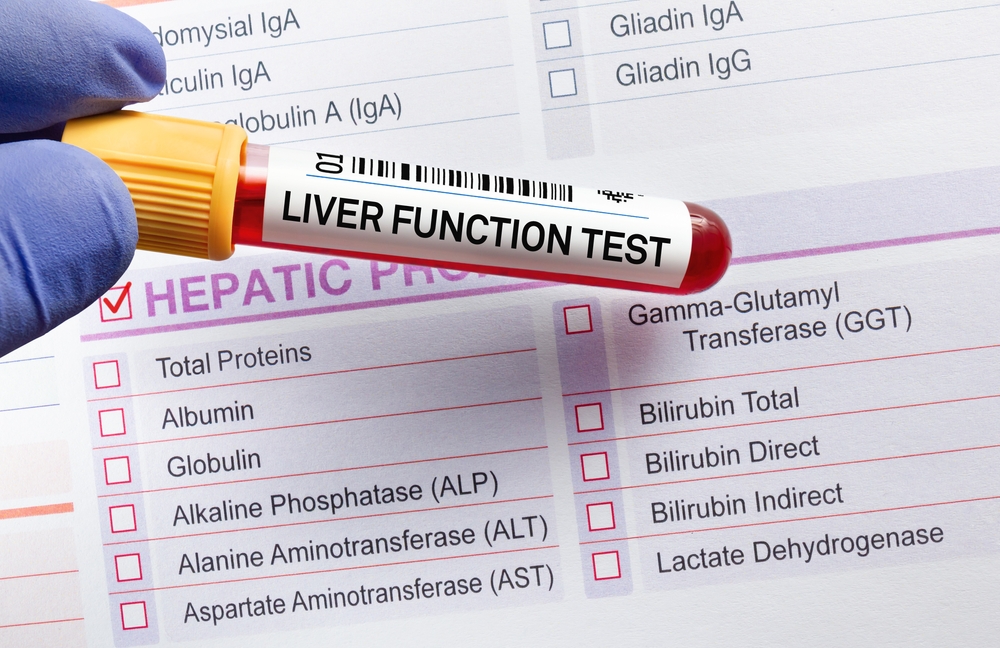
LFT (LIVER FUNCTION TEST)
The Liver Function Test (LFT) is a blood test that helps assess the health and performance of your liver. The liver plays a vital role in digestion, metabolism, detoxification, and protein production. This test measures specific enzymes, proteins, and substances in your blood to detect liver damage, inflammation, or disease.
What does the LFT include?
An LFT typically measures:
ALT (SGPT) – Indicates liver cell injury
AST (SGOT) – Helps detect liver or muscle damage
Alkaline Phosphatase (ALP) – Linked to bile duct function
Bilirubin (Total, Direct & Indirect) – Reflects liver’s ability to process waste
Total Protein – Measures overall protein levels
Albumin & Globulin – Shows liver’s protein-producing capacity
A/G Ratio – Evaluates protein balance in the body
Why is this test done?
To check liver health
To diagnose liver conditions such as hepatitis, fatty liver, or cirrhosis
To monitor ongoing liver disease or treatment
To assess the effect of medications on the liver
As part of routine health checkups
When should you take an LFT?
If you experience symptoms like jaundice, fatigue, abdominal pain, nausea, or dark urine
If you consume alcohol regularly
If you are on long-term medications
On your doctor’s recommendation or during preventive health screening
Sample requirements
Sample Type: Blood
Fasting: Usually not required (unless advised by your doctor)
Turnaround time
Results are typically available within 24 hours
Available Today
Fasting is usually not required for an LFT unless specifically advised by your doctor Avoid alcohol for 24 hours before the test, as it may affect results Inform the lab or your doctor about all medications, supplements, or herbal products you are taking Continue your regular diet and medications unless instructed otherwise Drink adequate water before the test to help with easy blood collection
1. What is an LFT? A Liver Function Test (LFT) is a blood test that measures specific enzymes, proteins, and substances in your blood to evaluate how well your liver is working. 2. Why is an LFT done? To check liver health Diagnose liver diseases like hepatitis, fatty liver, or cirrhosis Monitor liver function during medication or treatment As part of routine health checkups 3. How do I prepare for an LFT? Fasting is usually not required Avoid alcohol for 24 hours Inform your doctor or lab about any medications or supplements 4. How is the test performed? A small blood sample is taken from a vein in your arm. The procedure is quick, safe, and usually takes less than 5 minutes. 5. Are there any risks? The test is safe and non-invasive. Minor bruising or discomfort at the needle site may occur, but serious complications are very rare. 6. How long does it take to get results? Results are usually available within 24 hours, depending on the lab. Some labs offer online or digital report delivery. 7. What do the results mean? Normal values: Healthy liver function Elevated enzymes: Possible liver inflammation, infection, fatty liver, or bile duct issues Low protein or albumin: Reduced liver function Always consult your doctor to interpret results in context with symptoms and medical history. 8. Can I do an LFT at home? Some labs offer home sample collection, ideal for elderly or immobile patients. Contact your lab to confirm availability. 9. How often should I get an LFT? As recommended by your doctor During routine health checkups If you have liver conditions or take medications affecting the liver