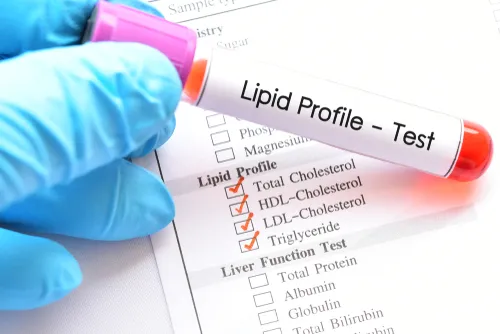
LIPID PROFILE TEST
The Lipid Profile Test is a blood test that measures the levels of fats (lipids) in your blood. It helps assess your risk of heart disease, stroke, and other cardiovascular conditions by checking cholesterol and triglyceride levels. Monitoring your lipid levels is essential for maintaining heart and overall health.
What does the Lipid Profile include?
A standard lipid profile typically measures:
Total Cholesterol – Overall cholesterol in your blood
LDL (Low-Density Lipoprotein) – “Bad” cholesterol that can build up in arteries
HDL (High-Density Lipoprotein) – “Good” cholesterol that helps remove excess cholesterol
Triglycerides – Type of fat used for energy, high levels may increase heart disease risk
VLDL (Very Low-Density Lipoprotein) – Another form of “bad” cholesterol contributing to plaque buildup
Why is this test done?
To evaluate risk for heart disease, stroke, or atherosclerosis
To monitor cholesterol levels in patients on medications for lipid control
As part of a routine health checkup or preventive screening
To assess lifestyle impact on cholesterol (diet, exercise, weight)
Sample Requirements
Sample Type: Blood
Fasting: Usually 8–12 hours fasting is recommended for accurate results
Turnaround Time
Results are typically available within 24–48 hours
Available Today
Fasting is required: Avoid all food and drinks except water for 8–12 hours before the test Avoid alcohol for at least 24 hours prior Limit fatty foods the day before the test to prevent temporary spikes in triglycerides Medications and supplements: Inform your doctor or lab, as some may affect lipid levels Stay hydrated: Drink enough water before the test for easier blood collection Continue your regular medications unless your doctor advises otherwise
What is a Lipid Profile Test? A Lipid Profile Test is a blood test that measures the levels of fats in your blood, including cholesterol and triglycerides. It helps evaluate your risk for heart disease and other cardiovascular conditions. 2. Why is the test done? To assess the risk of heart disease, stroke, or atherosclerosis To monitor the effectiveness of cholesterol-lowering medications As part of routine health checkups To evaluate the impact of diet, lifestyle, and exercise on cholesterol levels 3. How should I prepare for the test? Fasting for 8–12 hours (water is allowed) Avoid alcohol for 24 hours before the test Avoid fatty foods the day before Inform the lab about any medications or supplements 4. How is the test performed? A small blood sample is collected from a vein in your arm. The procedure is quick, safe, and usually takes less than 5 minutes. 5. Are there any risks? The test is safe and non-invasive. Minor bruising or discomfort at the needle site may occur, but serious complications are very rare. 6. How long does it take to get results? Results are typically available within 24–48 hours, depending on the lab. Many labs offer digital report delivery. 7. What do the results mean? High LDL (“bad cholesterol”) or high triglycerides may increase the risk of heart disease Low HDL (“good cholesterol”) reduces the body’s ability to remove excess cholesterol Total cholesterol helps assess overall cardiovascular risk A doctor should interpret results in context with your medical history and lifestyle 8. Can the test be done at home? Some labs offer home sample collection, which is convenient for elderly or immobile patients. 9. How often should I get a Lipid Profile Test? As recommended by your doctor Generally, adults over 20 should get tested every 4–6 years, or more often if risk factors exist